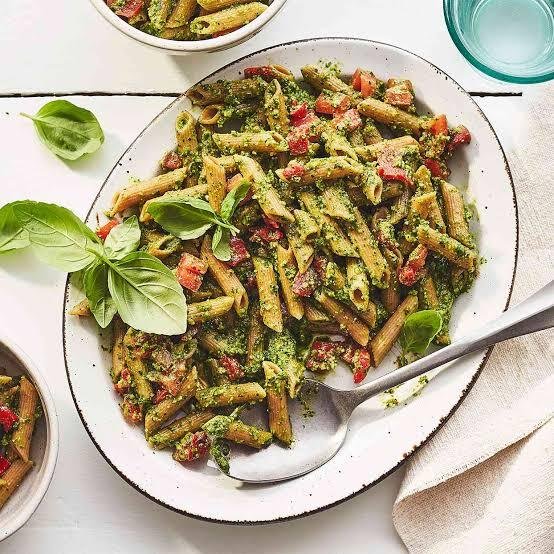
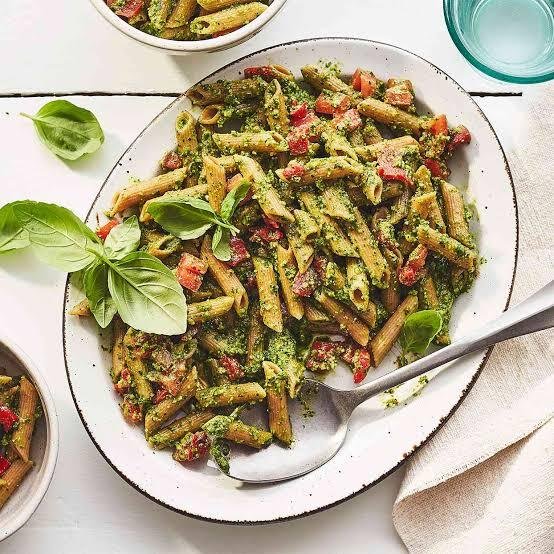
Few herbs are as rewarding to grow and cook with as basil. Its bright, peppery-sweet flavor is the backbone of so many great dishes, and if you’ve got a basil plant taking over your garden or windowsill, you’re going to want more than one way to use it. In this post, we’ll walk through a detailed recipe for classic basil pesto — the most iconic basil recipe there is — and then round up a few more ideas for putting fresh basil to work.
Why Homemade Pesto Is Worth Making
Store-bought pesto can’t compete with the bright, fresh flavor of a batch made at home. It comes together in about 10 minutes with a food processor, and the vibrant green color and fragrant aroma are completely different from anything in a jar. Once you’ve made it fresh, it’s hard to go back.
Ingredients
- 2 cups fresh basil leaves, packed (stems removed)
- ½ cup grated parmesan cheese
- ½ cup extra virgin olive oil
- ⅓ cup pine nuts (walnuts or almonds work as substitutes)
- 2-3 cloves garlic, peeled
- ½ teaspoon salt, or to taste
- Freshly ground black pepper, to taste
- 1 tablespoon fresh lemon juice (optional, helps keep the color bright)
Equipment
- A food processor or high-powered blender
- A rubber spatula
- An airtight container or jar for storage
Instructions
Step 1: Toast the nuts
In a dry skillet over medium-low heat, toast the pine nuts for 2-3 minutes, stirring frequently, until lightly golden and fragrant. Watch closely, since nuts can burn quickly. Let them cool for a few minutes before using.
Step 2: Wash and dry the basil
Rinse the basil leaves and pat them completely dry with a clean towel or paper towels. Excess water can dilute the pesto and shorten its shelf life, so make sure the leaves are as dry as possible.
Step 3: Combine the base ingredients
In a food processor, combine the basil leaves, toasted pine nuts, garlic, and salt. Pulse several times until everything is finely chopped and starting to combine.
Step 4: Stream in the olive oil
With the food processor running, slowly stream in the olive oil until the mixture becomes a smooth, slightly thick paste, scraping down the sides as needed.
Step 5: Add the cheese
Add the grated parmesan and pulse a few more times until just combined — over-processing at this stage can make the pesto slightly bitter. Stir in the lemon juice, if using, and adjust the salt and pepper to taste.
Step 6: Store or use immediately
Transfer the pesto to an airtight container. If not using right away, press a thin layer of olive oil over the top before sealing — this helps preserve the bright green color by limiting air exposure.
Tips for the Best Pesto
- Don’t skip drying the basil — wet leaves can make the pesto watery and reduce its shelf life.
- Toast the nuts for deeper flavor; skipping this step will give you a flatter-tasting pesto.
- Adjust the consistency with a little extra olive oil if you want a thinner pesto for tossing with pasta, or keep it thicker for spreading on sandwiches.
- Freeze it in portions. Pesto freezes beautifully in ice cube trays — once frozen, transfer the cubes to a freezer bag for easy, single-serving portions later.
- Taste as you go, since the saltiness of parmesan can vary between brands.
Storage
Store fresh pesto in an airtight container in the refrigerator for up to 5-7 days, with a thin layer of olive oil on top to help preserve the color. For longer storage, freeze for up to 3 months.
More Basil Recipes to Try
Basil is incredibly versatile beyond pesto. Here are a few more ways to use it up:
- Caprese salad — sliced tomatoes, fresh mozzarella, and whole basil leaves, drizzled with olive oil and balsamic glaze.
- Basil-infused simple syrup — basil steeped in a simple syrup, perfect for cocktails, lemonade, or iced tea.
- Thai basil stir-fry — ground chicken or pork stir-fried with garlic, chilies, and fresh Thai basil for a fragrant, savory dish.
- Basil salt — dried basil blended with coarse salt, great as a finishing seasoning that lasts for months.
- Basil vinaigrette — blended basil, olive oil, vinegar, and a touch of honey, perfect for dressing salads or drizzling over grilled vegetables.
Final Thoughts
Basil pesto is one of the simplest, most rewarding ways to use fresh basil, and homemade versions taste worlds better than anything from a jar. Once you’ve mastered pesto, the other basil recipes above are worth trying too — this herb is far more versatile than most people realize.