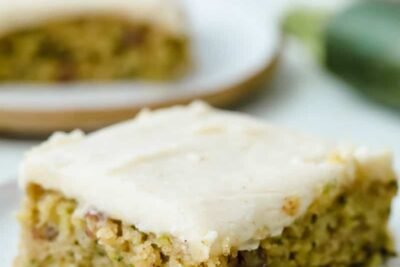

Zucchini quiche is a savory, custardy dish loaded with tender zucchini, melted cheese, and a flaky pie crust base. It’s a great make-ahead breakfast, brunch centerpiece, or light dinner, and it’s an easy way to use up a bit of extra zucchini without turning to another sweet bread or muffin. Serve it warm or at room temperature alongside a simple green salad.
Why Quiche Is a Great Way to Use Zucchini
Zucchini’s mild flavor and high water content mean it needs a little prep before going into a quiche, but once salted and drained, it blends beautifully into the egg custard, adding texture without watering down the filling. Combined with cheese and a flaky crust, it turns a simple vegetable into a satisfying, savory dish.

Ingredients
For the crust
- 1 (9-inch) pie crust, homemade or store-bought, fitted into a pie dish
For the filling
- 2 cups zucchini, thinly sliced or grated
- 1 teaspoon salt, for drawing out moisture
- 1 tablespoon olive oil or butter
- ½ small onion, diced
- 4 large eggs
- 1 cup half-and-half (or a mix of milk and heavy cream)
- 1 cup shredded cheese (Gruyère, cheddar, or a mix)
- ¼ cup grated parmesan cheese
- ½ teaspoon garlic powder
- ¼ teaspoon black pepper
- Pinch of nutmeg (optional)
- 2 tablespoons fresh herbs, chopped (such as chives, basil, or dill)
Equipment
- A 9-inch pie dish
- A colander
- A mixing bowl
- A whisk
- A large skillet
Instructions
Step 1: Salt and drain the zucchini
If using sliced zucchini, place the slices in a colander, sprinkle with salt, and let sit for 15-20 minutes to draw out excess moisture. If using grated zucchini, follow the same salting process, then squeeze out the liquid using a clean towel. Pat the zucchini dry before using either way.
Step 2: Pre-bake the crust
Preheat your oven to 375°F (190°C). Fit the pie crust into the pie dish, crimping the edges as desired. Prick the bottom with a fork, line with parchment paper, and fill with pie weights or dried beans. Bake for 10-12 minutes, then remove the weights and parchment and bake for another 3-5 minutes, until lightly golden. This step (blind baking) helps prevent a soggy bottom crust.
Step 3: Sauté the zucchini and onion
While the crust bakes, heat the olive oil or butter in a large skillet over medium heat. Add the diced onion and cook for 2-3 minutes, until softened. Add the drained zucchini and cook for another 3-4 minutes, until just tender. Remove from heat and let cool slightly.
Step 4: Make the egg custard
In a mixing bowl, whisk together the eggs, half-and-half, garlic powder, pepper, and nutmeg (if using) until well combined.
Step 5: Assemble the quiche
Spread the sautéed zucchini and onion evenly over the bottom of the pre-baked crust. Sprinkle the shredded cheese and parmesan over the top, along with the fresh herbs. Pour the egg custard mixture evenly over everything.
Step 6: Bake
Reduce the oven temperature to 350°F (175°C). Bake the quiche for 35-45 minutes, until the center is just set and no longer jiggly, and the top is lightly golden. If the crust edges brown too quickly, cover them with foil or a pie shield.
Step 7: Cool and serve
Let the quiche cool for at least 10-15 minutes before slicing — this helps the filling fully set. Serve warm or at room temperature.

Tips for the Best Zucchini Quiche
- Don’t skip salting and draining the zucchini — this step is essential for preventing a watery, soggy quiche.
- Blind bake the crust to help keep the bottom from getting soggy once the custard is added.
- Let the quiche rest before slicing for the cleanest cuts.
- Swap the cheese — feta, goat cheese, or Swiss all work well in place of or alongside cheddar and Gruyère.
- Make it crustless by simply greasing the pie dish and skipping the crust for a lighter, lower-carb version.
Storage
Store leftover quiche covered in the refrigerator for up to 4 days. Reheat individual slices in the oven or microwave, or enjoy cold straight from the fridge.
Final Thoughts
Zucchini quiche is a satisfying, savory way to use up extra zucchini, combining a flaky crust, cheesy filling, and tender vegetables into one versatile dish. It works well for breakfast, brunch, or a light dinner, and it’s just as good served the next day.