
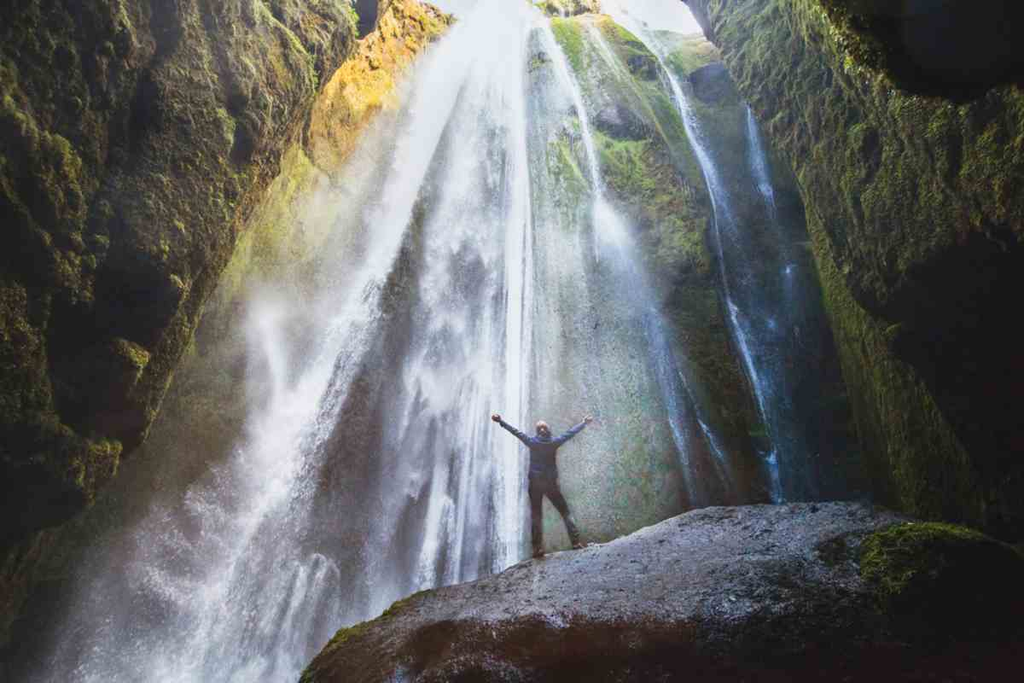
Iceland was never on my list until a layover turned into a five-night stopover, and that stopover turned into three separate trips over two years. What kept pulling me back wasn’t one big landmark — it was how much the landscape changes every twenty minutes of driving. Moss fields become lava fields become glaciers become black sand, often on the same afternoon.
This guide covers 40 places I’ve actually stood in front of, organized by region so you can build a route instead of jumping around a map. For each one, I’ll tell you what it’s actually like, whether it’s worth your limited time, and the one thing I wish someone had told me before I went. Planning basics — cost, timing, packing, driving — are covered once in their own sections near the end, so you’re not reading the same advice forty times.
Quick Answers Before You Go
Is Iceland worth visiting? Yes, if you enjoy landscape over nightlife. Iceland is not a beach-and-cocktail destination — it’s a driving-and-hiking one. If your idea of a good trip is scenery, quiet, and a bit of physical effort, it delivers. If you want lively cities and warm weather, it won’t.
How many days do you need? Seven to ten days lets you cover the Ring Road without rushing. Four to five days is enough for the South Coast and Golden Circle only. Anything under three days, stick to Reykjavík and the Golden Circle.
Do you need a car? For anywhere outside Reykjavík, yes. Public transport exists but is infrequent and not built for sightseeing stops.
Is it expensive? Yes — food and car rental are the two big costs. I break down real numbers in the cost section below.
South Coast Iceland
The South Coast is where most first trips happen, and for good reason — it’s the highest concentration of accessible, dramatic scenery in the country.
1. Seljalandsfoss
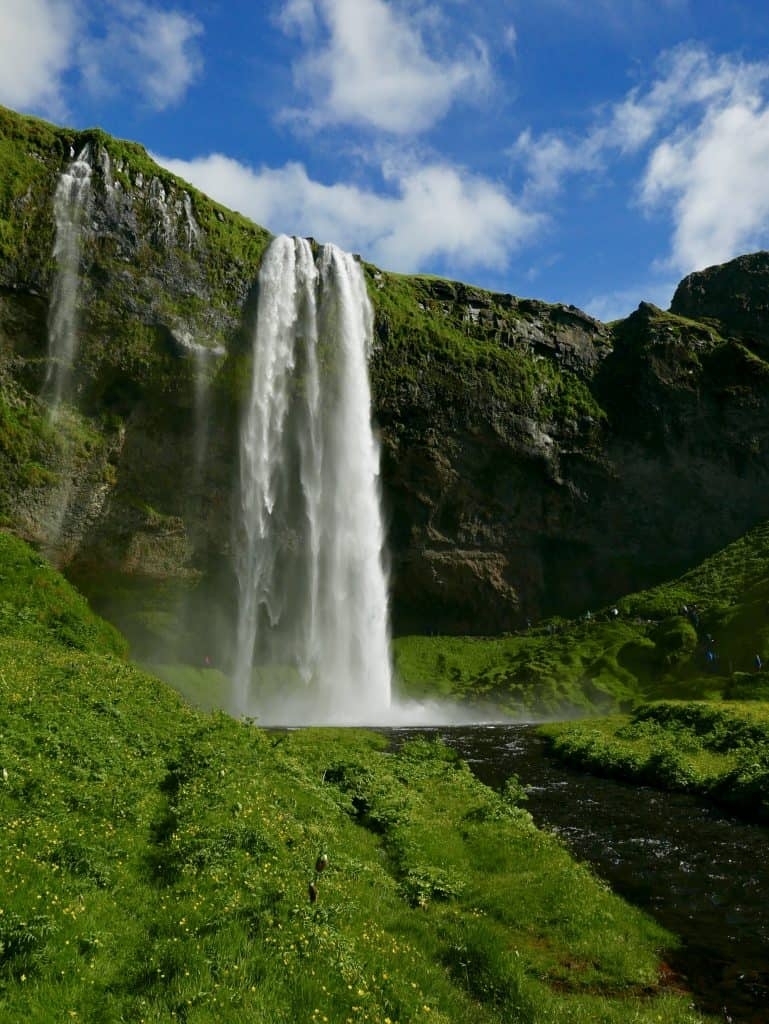
This is the waterfall you can walk behind, and it’s genuinely worth doing once. The path behind it gets slippery and you will get misted, so don’t wear anything you care about keeping dry. Go early morning or after 6pm — by midday in summer, tour buses stack up in the parking lot.
Read the full guide on Seljalandsfoss HERE.
2. Gljúfrabúi
Most people miss this one because it’s tucked behind a rock face a five-minute walk from Seljalandsfoss, in the opposite direction from the crowds. You have to wade slightly and climb through a narrow gap to see it properly. It’s smaller than its famous neighbor but far quieter, and I’d argue more memorable.
Read the full guide HERE.
3. Skógafoss
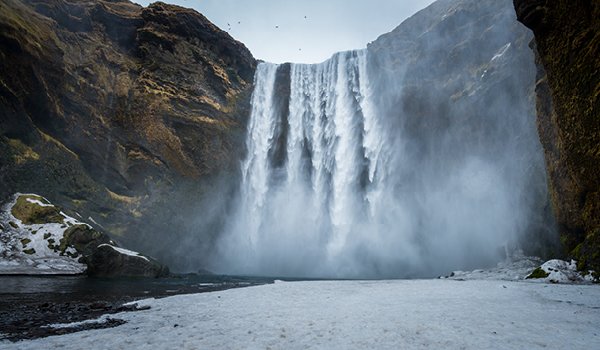
Wide, powerful, and visible from the parking lot, which is exactly why it gets busy. The real reward is the staircase to the right — climb it and you get a completely different view down the falls and along the river valley, plus the crowd thins out fast after the first fifty steps.
4. Reynisfjara Black Sand Beach
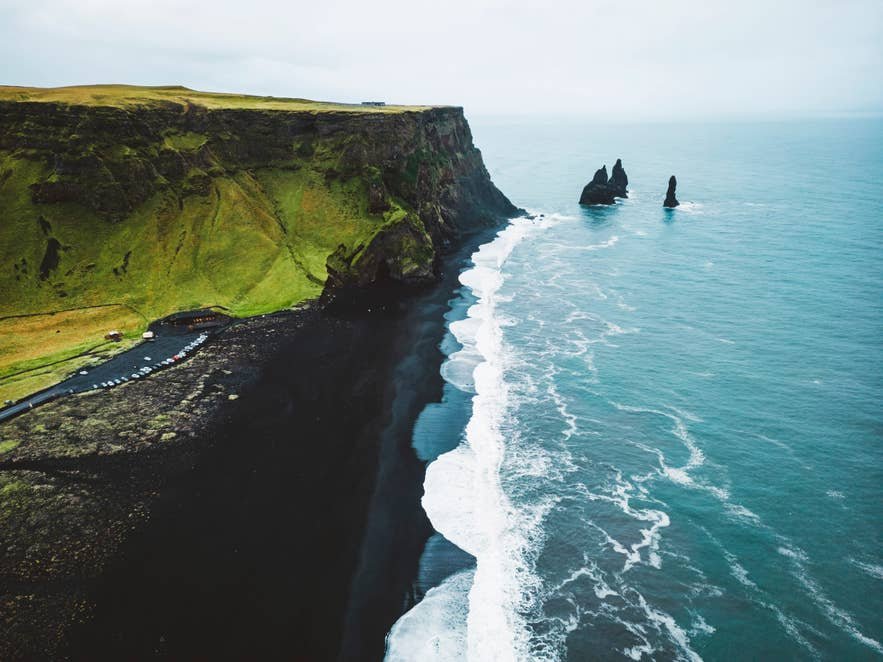
Stunning, and genuinely dangerous — this isn’t an exaggeration for effect. Sneaker waves here have killed tourists who got too close to the water. Keep at least 30 meters back from the shoreline at all times and never turn your back on the ocean, even for a photo.
5. Dyrhólaey
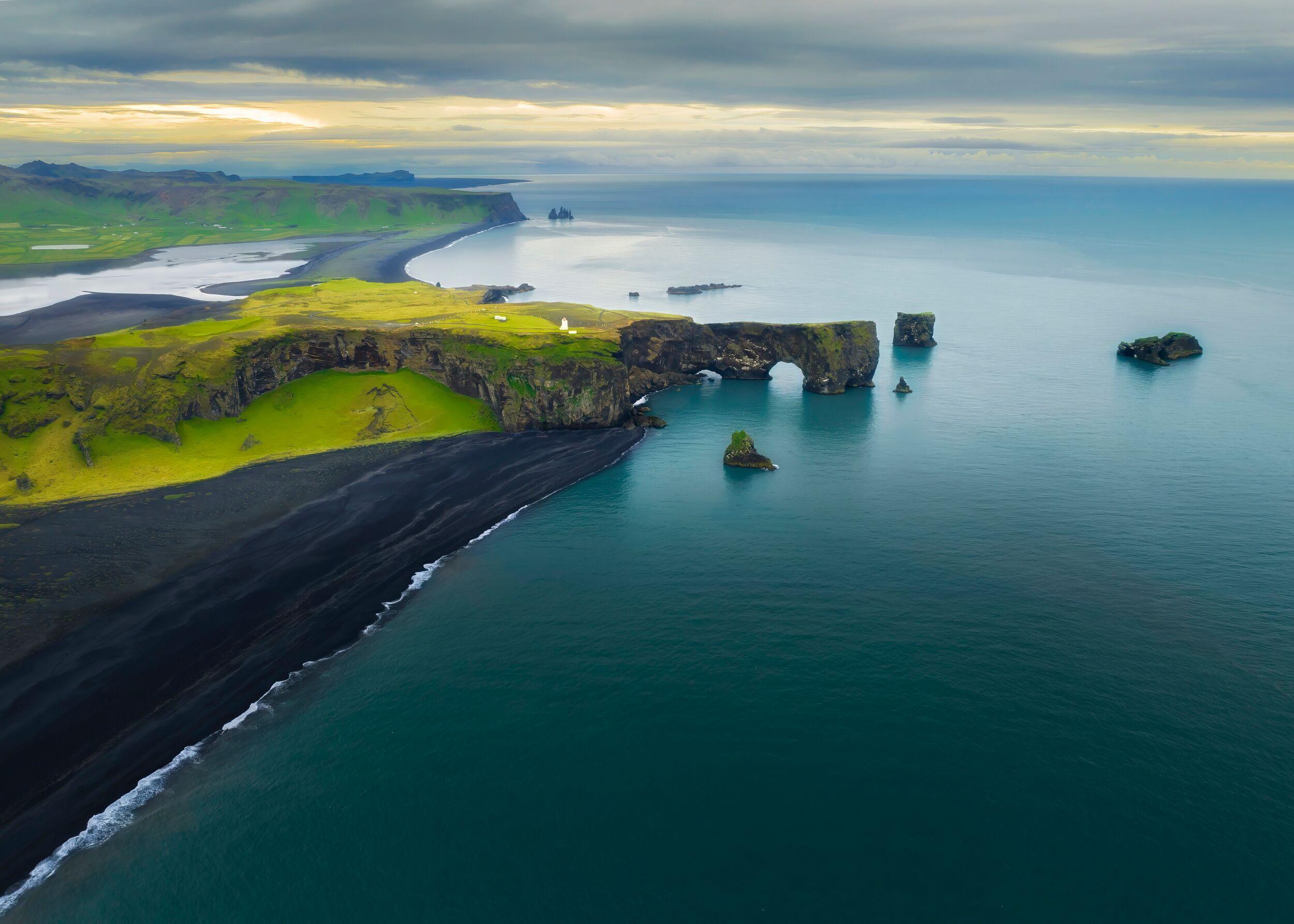
A short drive from Reynisfjara, this arch-shaped headland gives you an elevated view over the black beach and, in summer, nesting puffins. It’s less crowded than Reynisfjara because it requires a short uphill walk, and the view down onto the coastline is better from up here anyway.
6. Sólheimajökull Glacier
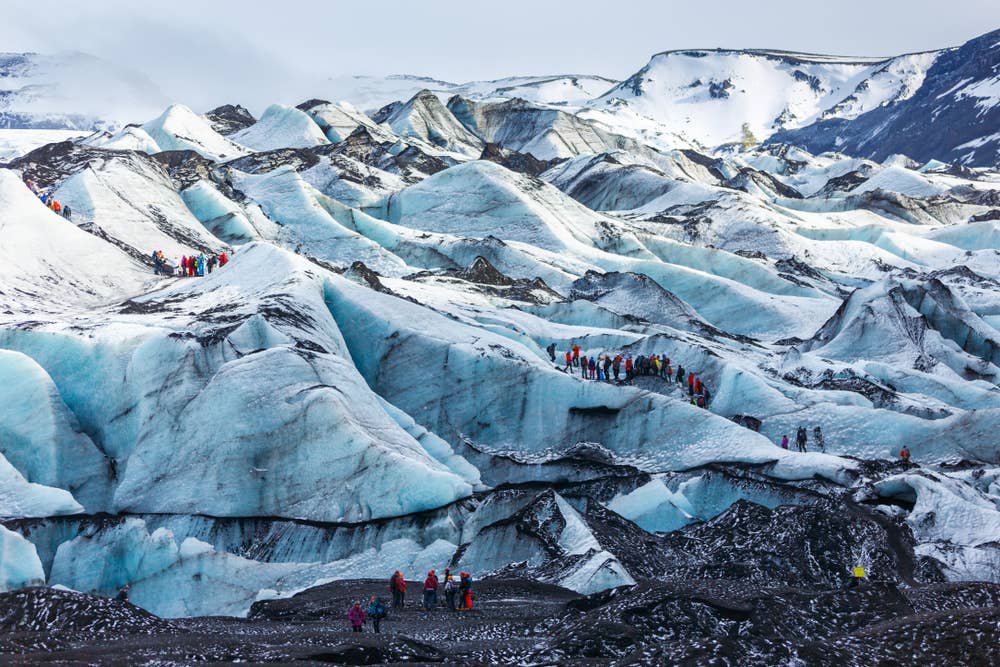
An accessible outlet glacier where you can either walk to a viewpoint for free or book a guided ice walk with crampons. I did the guided version and it’s worth the money — the guide points out crevasse patterns and meltwater features you’d otherwise walk straight past. Don’t attempt to walk onto the ice unguided; the surface is more unstable than it looks.
7. Fjaðrárgljúfur Canyon
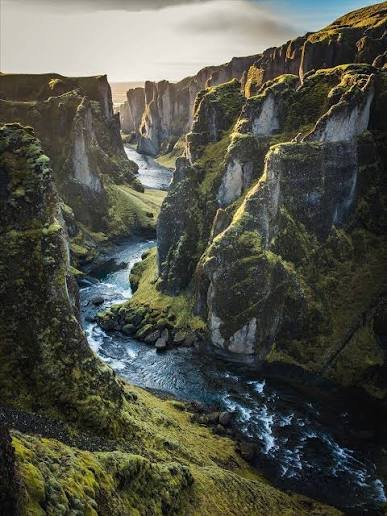
A green, winding canyon that looks digitally enhanced in every photo but really does look like that in person. There’s a marked viewing platform now because erosion from foot traffic got bad enough that parts of the trail were closed for a season. Stick to the marked path — it’s there for a reason, not for decoration.
8. Vík í Mýrdal
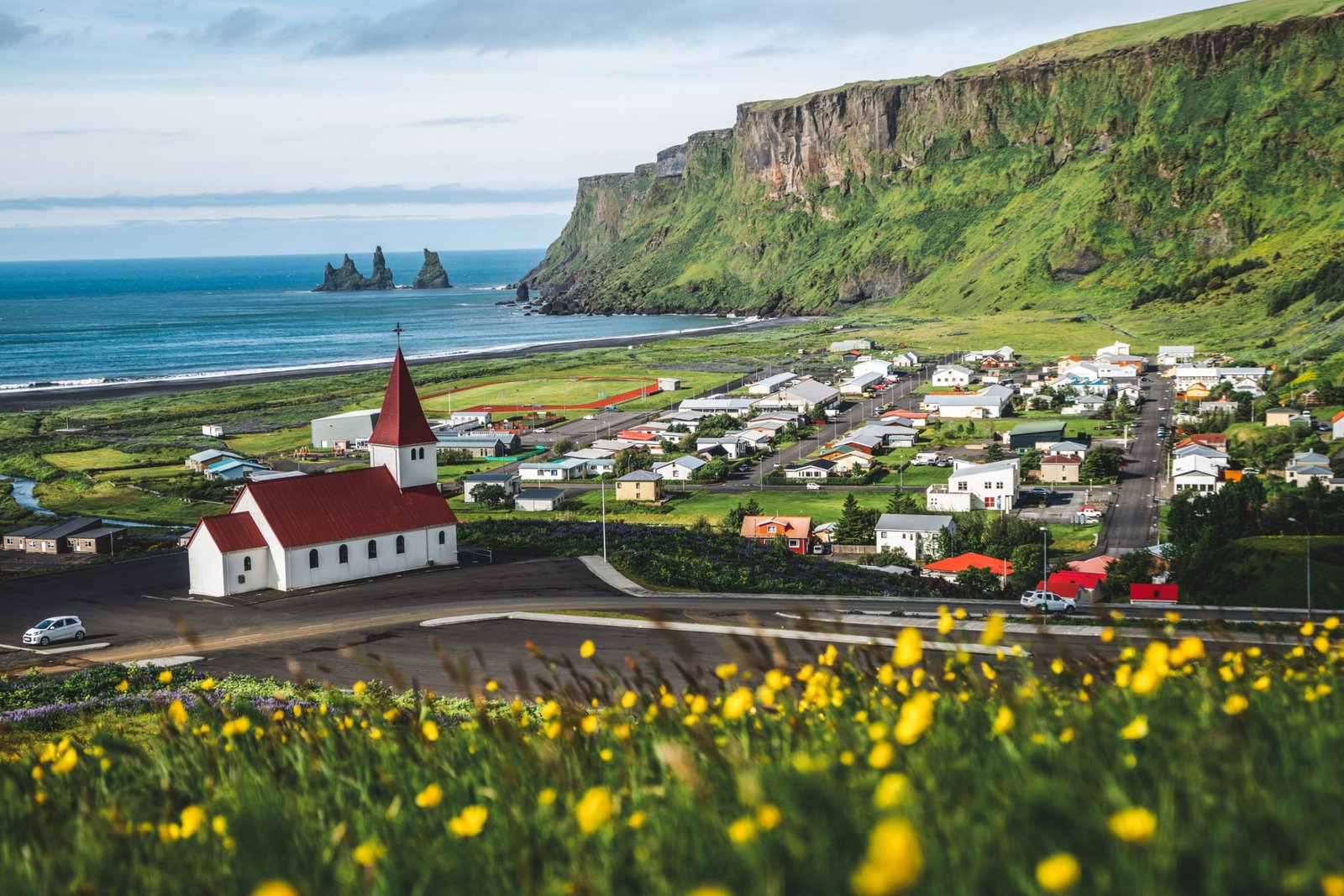
The southernmost village in Iceland and a natural stopping point for fuel, food, and a bathroom break. The black church on the hill above town is a good five-minute photo stop even if churches aren’t usually your thing.
9. Jökulsárlón Glacier Lagoon
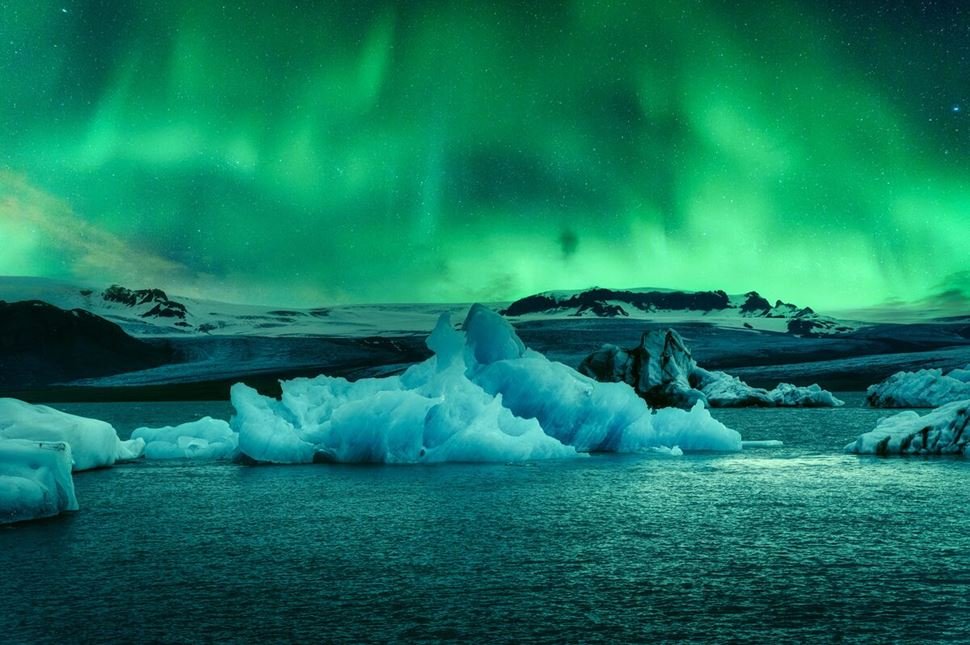
Icebergs calved from Breiðamerkurjökull drift through this lagoon before heading out to sea, and the scale of it doesn’t come through in photos until you’re standing there. A boat tour gets you closer to the ice, but honestly the shoreline view is already impressive and free. Go slow around sunrise or sunset — the light on the ice changes completely.
10. Diamond Beach
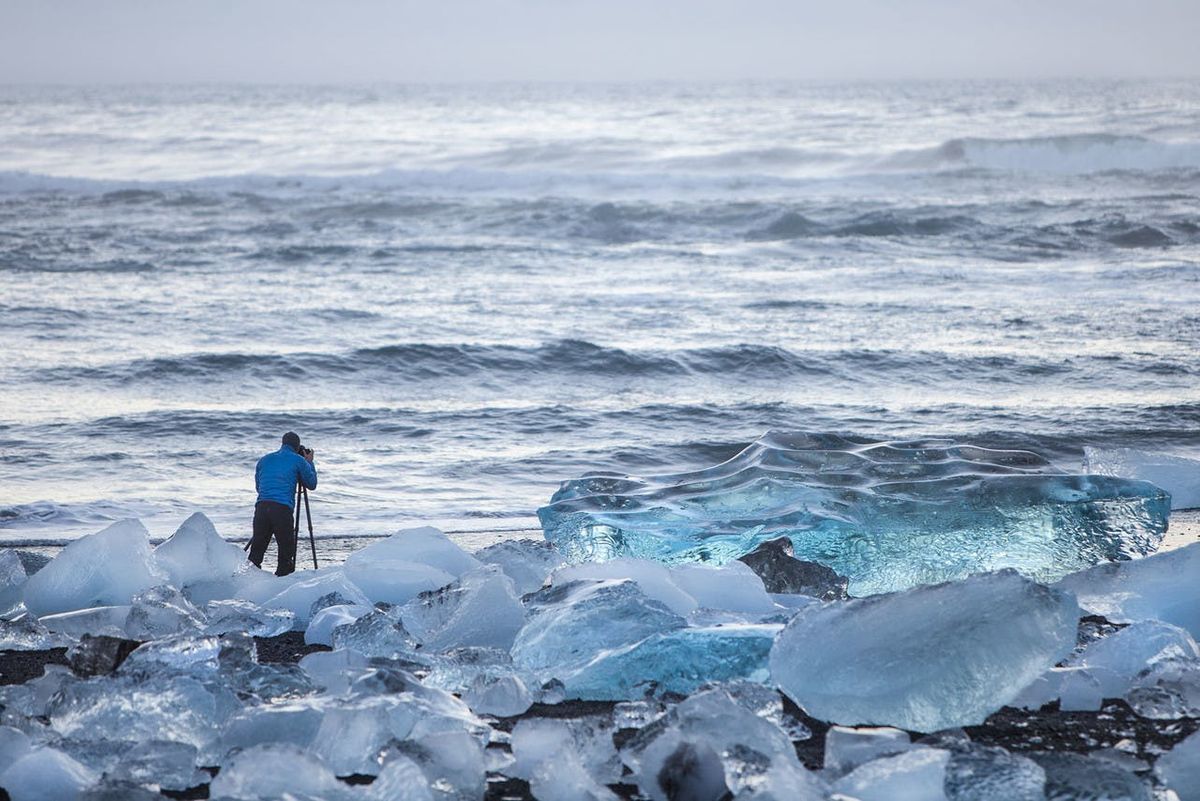
Directly across the road from Jökulsárlón, this black beach is where the ice chunks wash ashore and glitter against the dark sand. It photographs better than the lagoon itself in my opinion. Watch the tide line — some ice pieces look solid but shift unexpectedly.
11. Skaftafell Nature Reserve
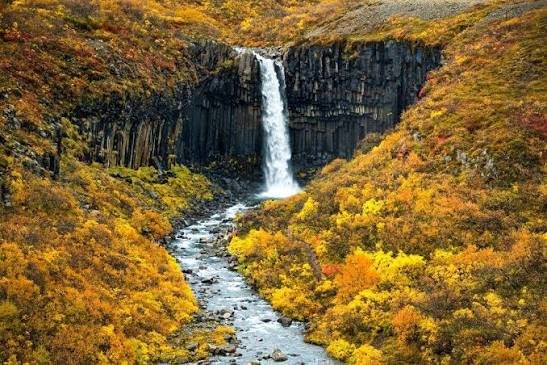
Part of Vatnajökull National Park, with trailheads for everything from an easy one-hour loop to a full day hike to Svartifoss waterfall, known for its basalt column backdrop. If you only have time for one hike on the South Coast, make it Svartifoss — the columns are unlike anything else on this list.
12. Vestrahorn Mountain
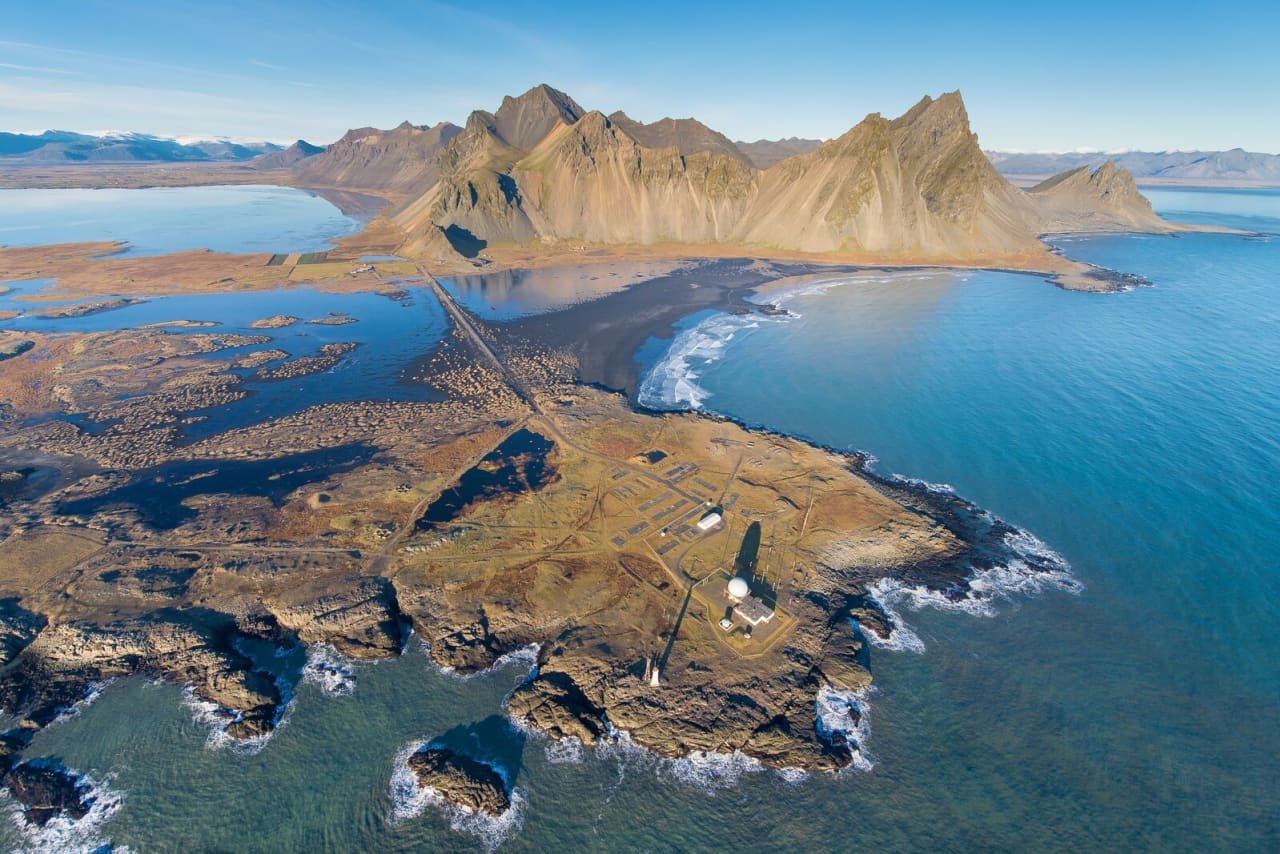
Technically on the Southeast coast near Höfn, this jagged mountain rising behind black dunes is one of the most photographed spots in the country, and there’s a small entry fee to access the best viewpoints (paid to the private landowner). It’s a detour if you’re doing a standard South Coast loop, but if you’re continuing around the Ring Road, it’s directly on the way.
Golden Circle
The Golden Circle is a loop close enough to Reykjavík to do as a day trip, which is exactly why it’s the most crowded route in Iceland. Go early or go last — midday is a parking-lot experience at every stop.
13. Þingvellir National Park
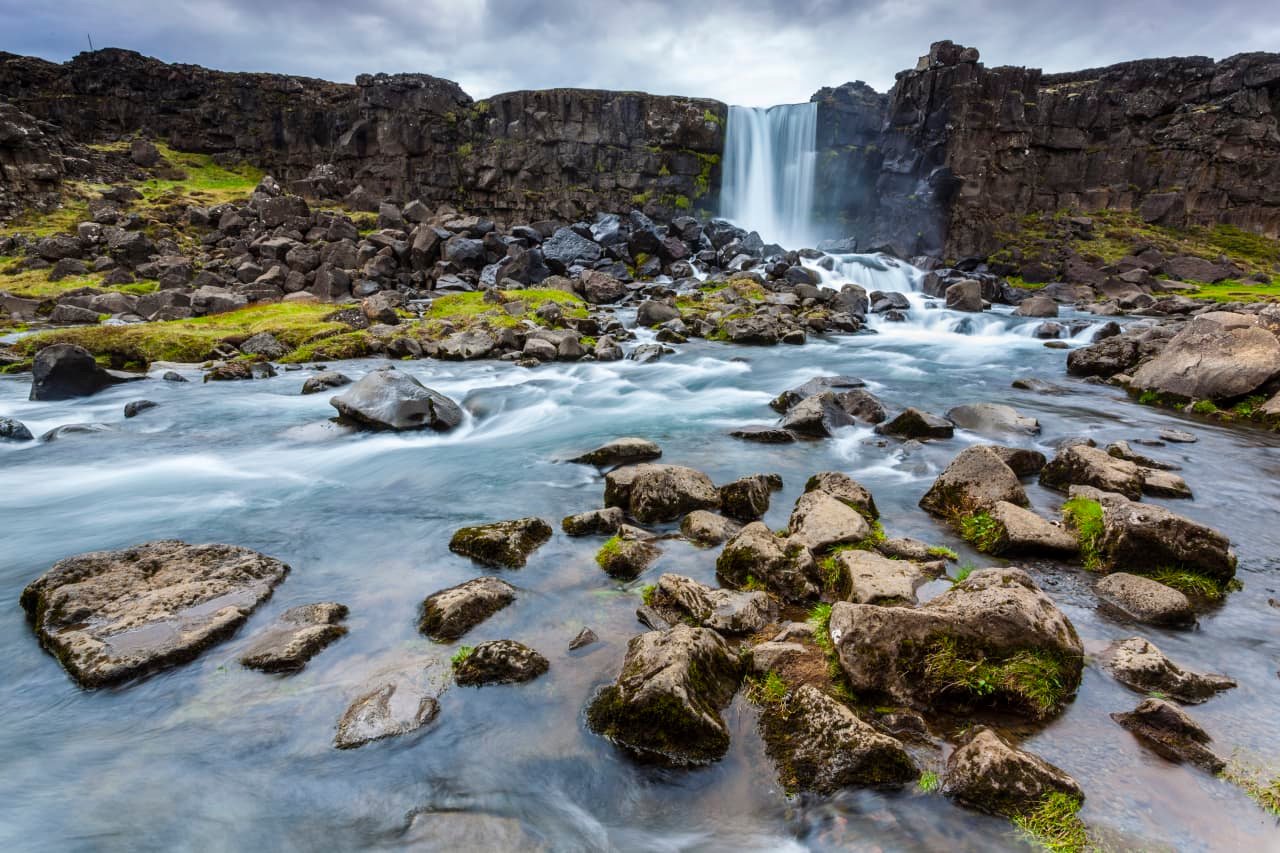
This is where Iceland’s parliament met from 930 AD, and also where the North American and Eurasian tectonic plates are visibly pulling apart. You can walk through the rift valley between them, which is a strange thing to do casually on a Tuesday. It’s also a UNESCO World Heritage Site, so budget more than the usual quick photo stop.
14. Geysir Geothermal Area
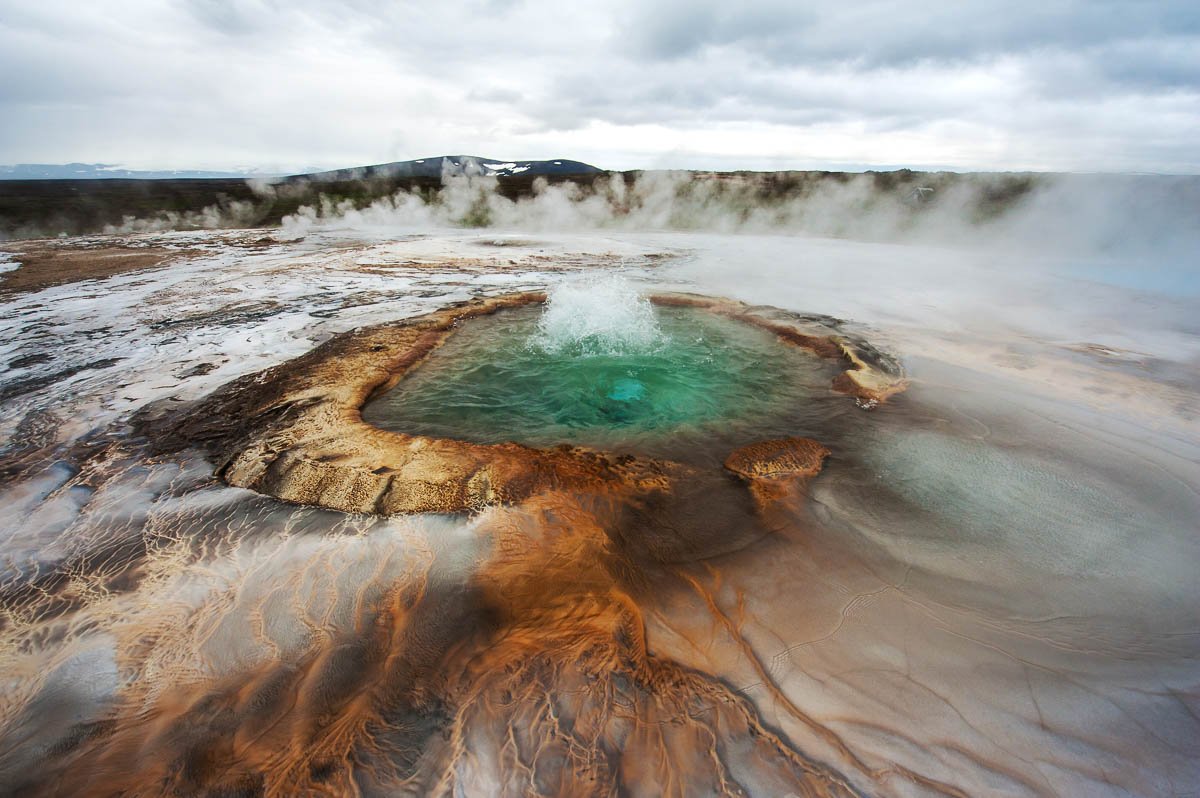
The original Geysir that gave “geyser” its name is mostly dormant now, but its neighbor Strokkur erupts every 5–10 minutes, reliably enough that you won’t wait long. Stand slightly off to the side rather than directly downwind — the water is hot and the wind direction changes.
15. Gullfoss
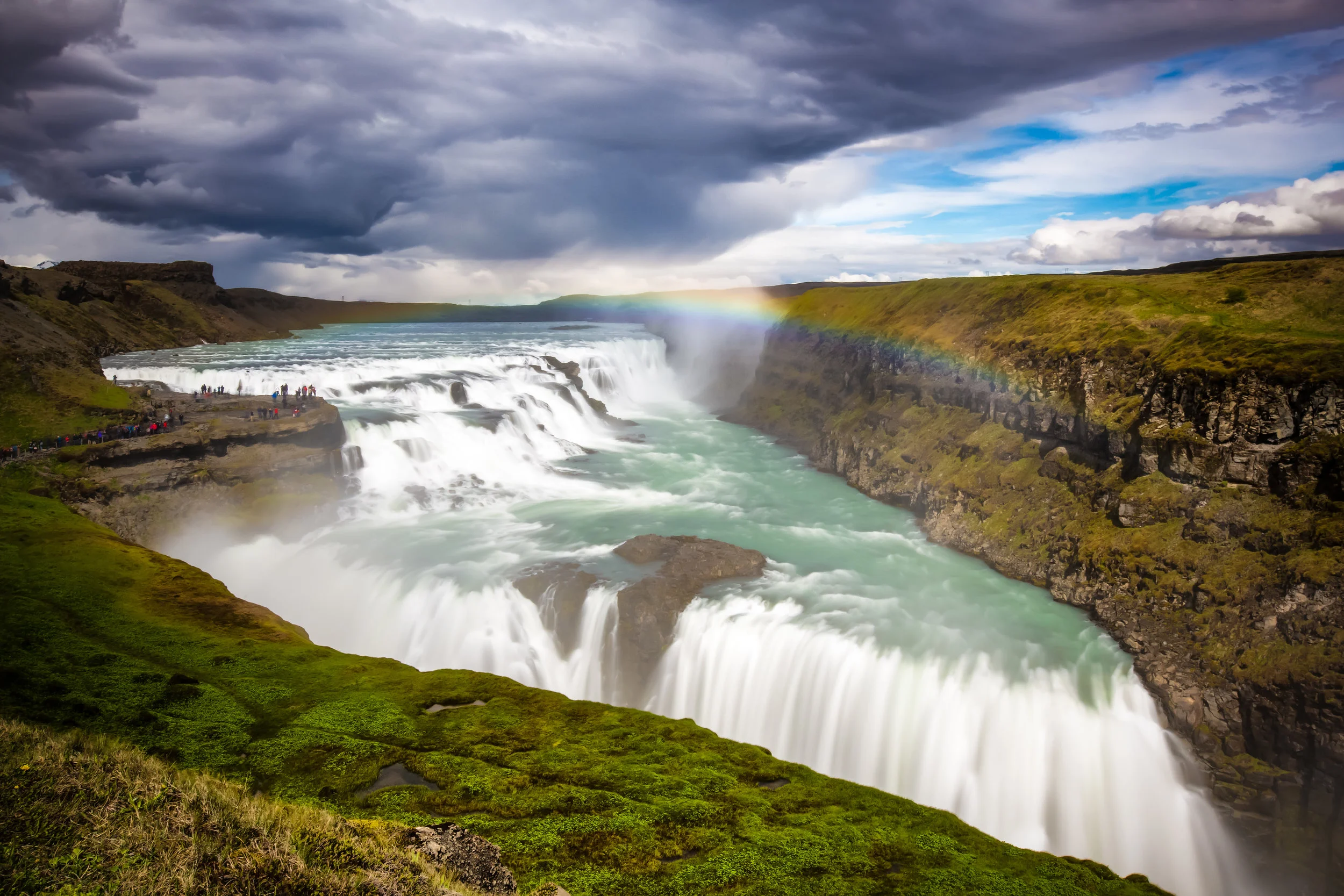
A two-tiered waterfall that drops into a canyon with enough force to throw spray high into the air on a windy day. There are two viewing levels; the lower one gets you closer but also wetter. Winter visits here are underrated — partial ice formations along the canyon edge change the whole scene.
16. Kerið Crater
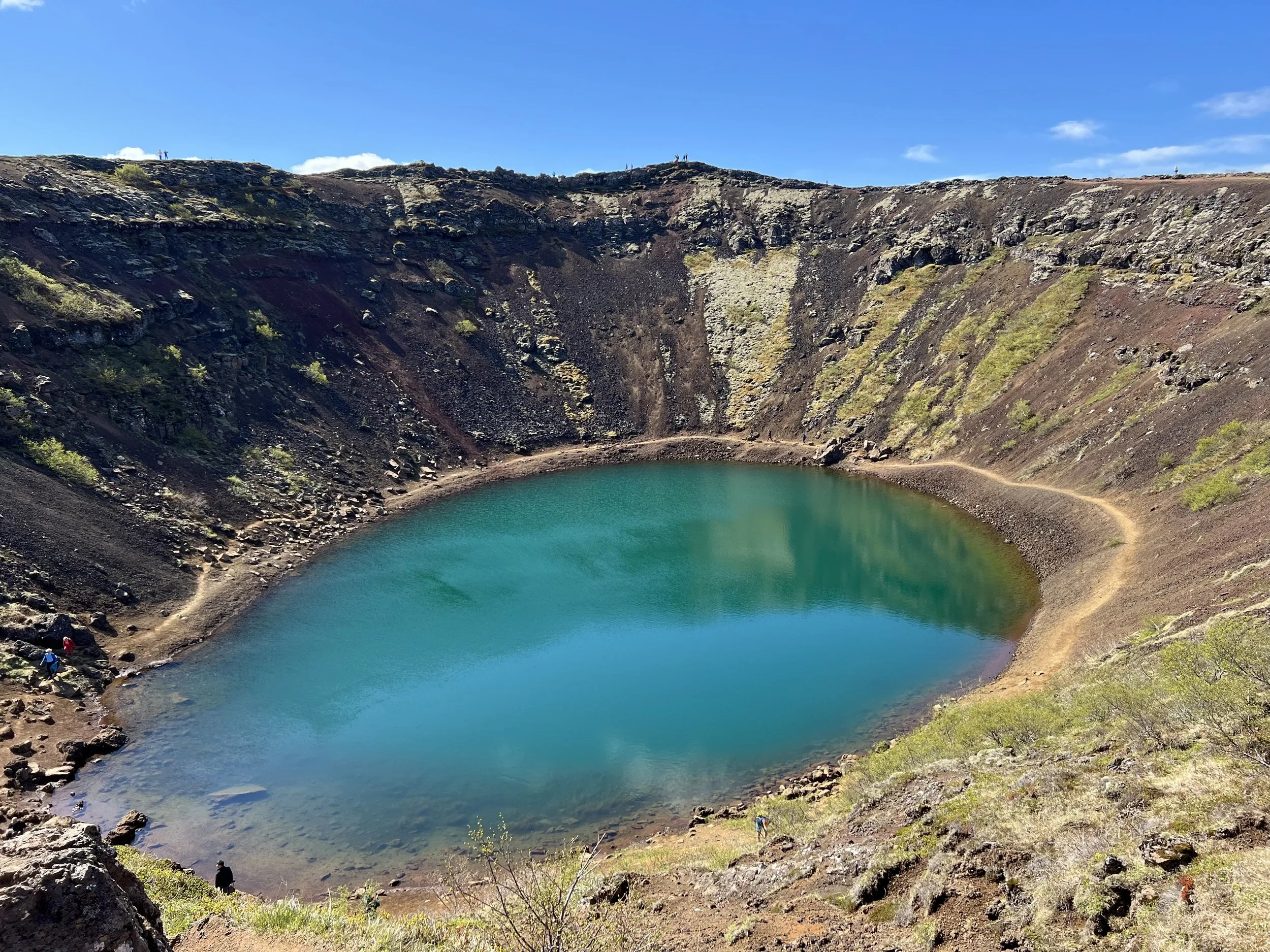
A volcanic crater with a strikingly blue-green lake at the bottom, and one of the few Golden Circle stops with a small entry fee. It takes maybe 20 minutes to walk the rim, which makes it an easy add-on rather than a dedicated stop.
17. The Secret Lagoon (Gamla Laugin)
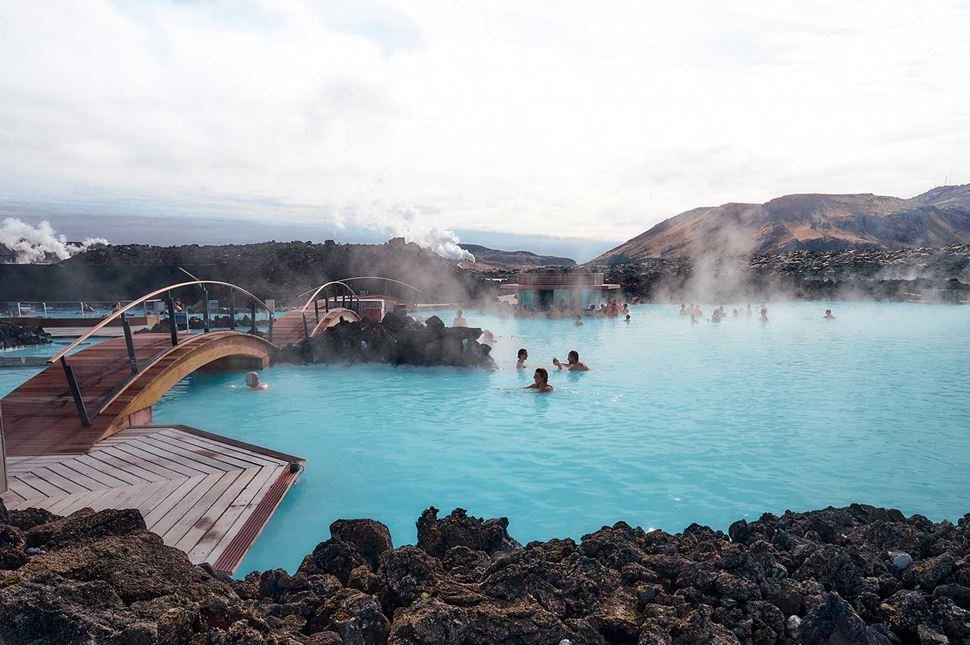
A geothermal pool near Flúðir that’s smaller, cheaper, and less produced than the Blue Lagoon. I found it a better experience precisely because it’s simpler — no light show, no drink menu, just warm water and steam rising off the surrounding field. Book ahead in summer; it does sell out.
Reykjavík and Nearby
Reykjavík is compact enough to walk in a day, but the surrounding area has some of the best short trips in the country.
18. Hallgrímskirkja
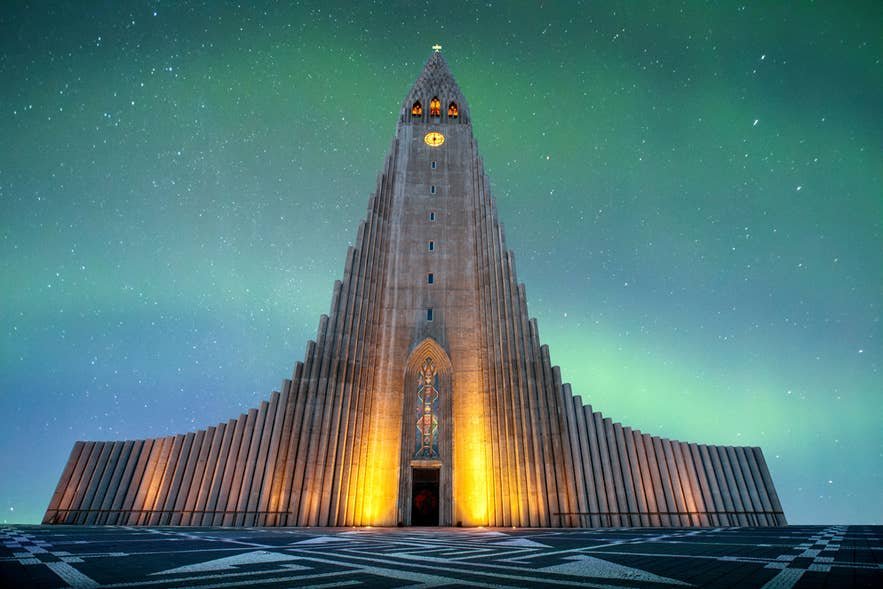
The church that dominates Reykjavík’s skyline, visible from almost anywhere in the city. Pay the small fee to go up the tower — the view over the colorful rooftops toward the harbor is the best elevated shot of the city you’ll get.
19. Sun Voyager Sculpture
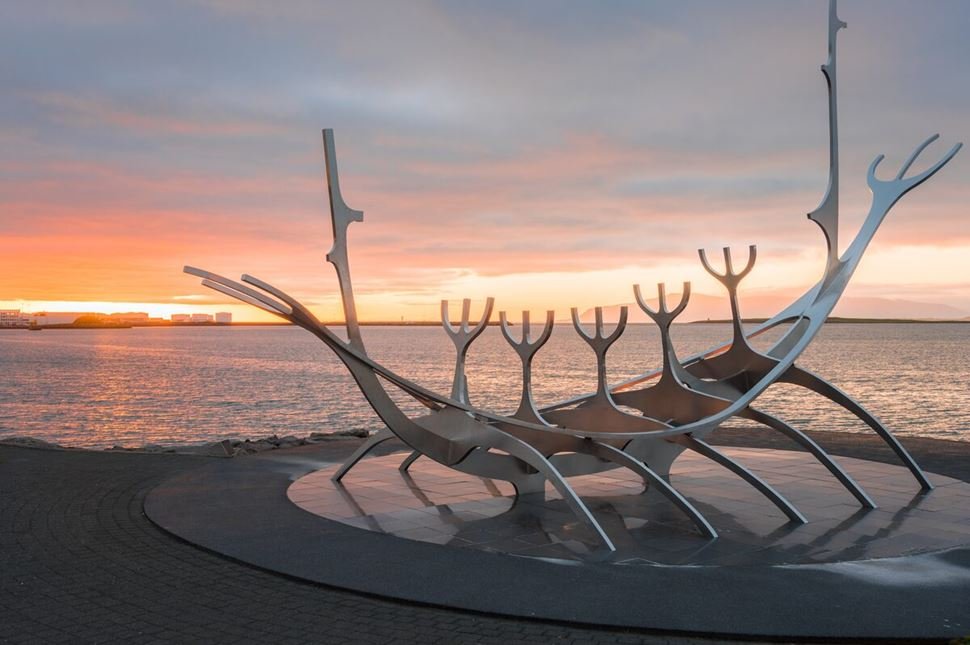
A steel boat-shaped sculpture on the waterfront that looks unremarkable in photos but works much better in person, especially at sunset with the mountains across the bay behind it. It’s a five-minute stop, not a destination in itself.
20. Reykjavík Old Harbour

Where whale-watching and puffin tours depart from, plus a growing cluster of good seafood restaurants. Even if you’re not booking a tour, it’s worth a walk for the fish market stalls and harbor views.
21. Blue Lagoon
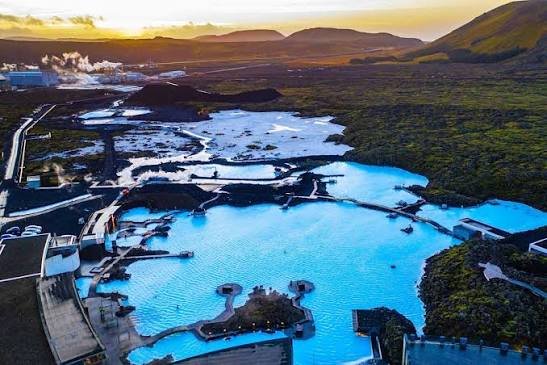
The famous one, and worth doing once despite the price and crowds, mostly because the silica-rich water and lava field setting really is unique. Book your slot weeks ahead in high season — walk-ins regularly get turned away. It’s also right by Keflavík airport, which makes it a smart first or last stop.
22. Sky Lagoon
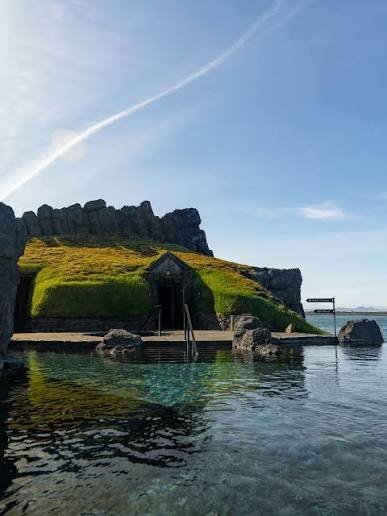
A newer geothermal spa closer to Reykjavík city center, with an infinity-edge pool looking out over the ocean. I preferred the atmosphere here to the Blue Lagoon — fewer crowds, and the seven-step spa ritual (sauna, cold plunge, steam, etc.) is included rather than upsold separately.
23. Reykjadalur Hot Spring River
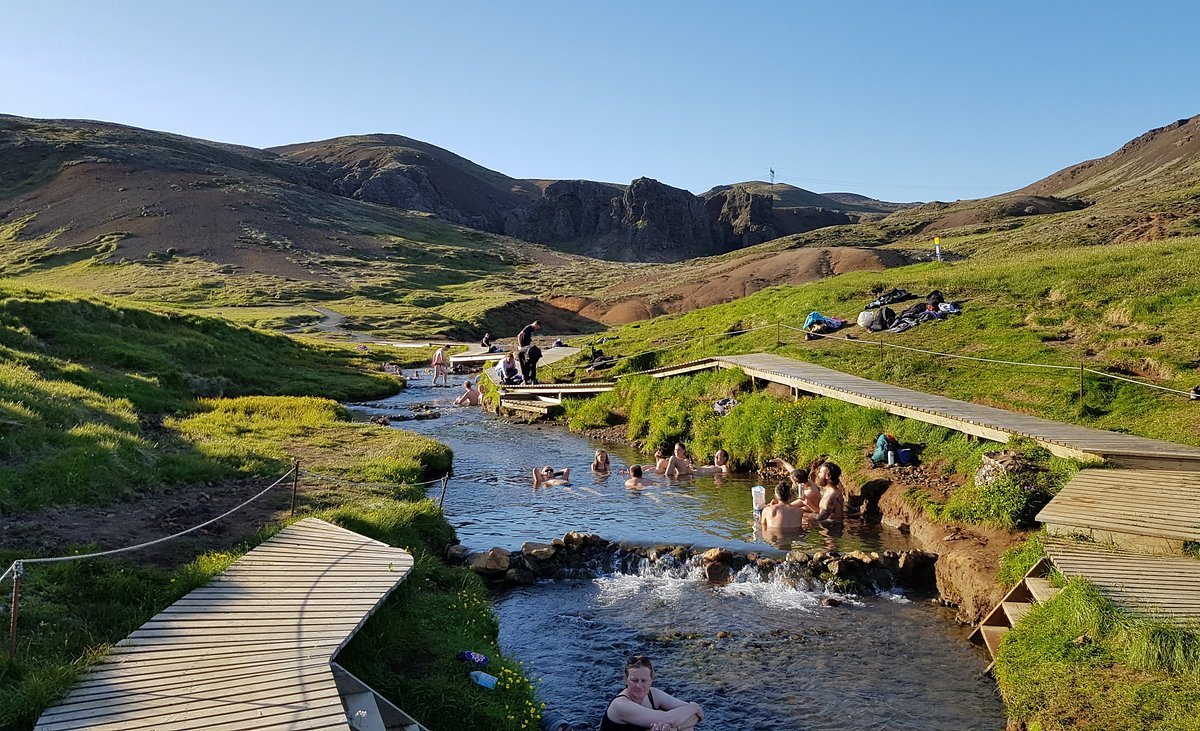
About 45 minutes from Reykjavík, this is a hike-in hot spring — roughly 3km each way uphill through a geothermal valley, ending in a river warm enough to sit in. Bring a towel and change in the wooden shelter at the top; there are no facilities beyond that. It’s one of the few “free” hot spring experiences left that hasn’t been fully commercialized.
Snæfellsnes Peninsula
Often called “Iceland in miniature” because it packs glaciers, lava fields, and coastline into one compact peninsula about two hours from Reykjavík.
24. Kirkjufell
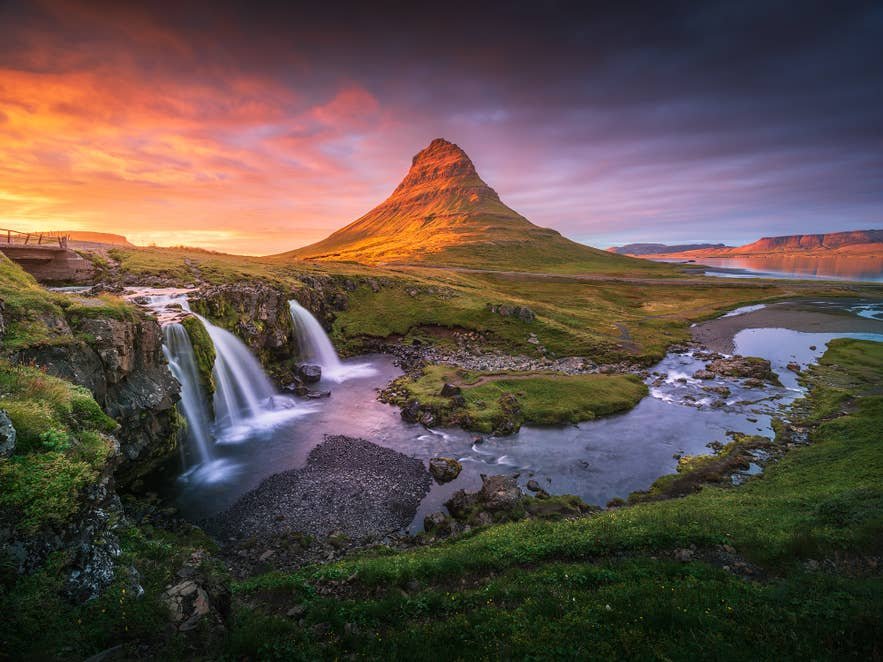
Probably the most photographed mountain in Iceland, thanks to its distinctive cone shape and the small waterfall (Kirkjufellsfoss) directly across the road from it. Arrive near sunset in summer for the best light — the mountain catches color while the waterfall stays in shadow, which actually makes for a better contrast shot than full daylight.
25. Arnarstapi
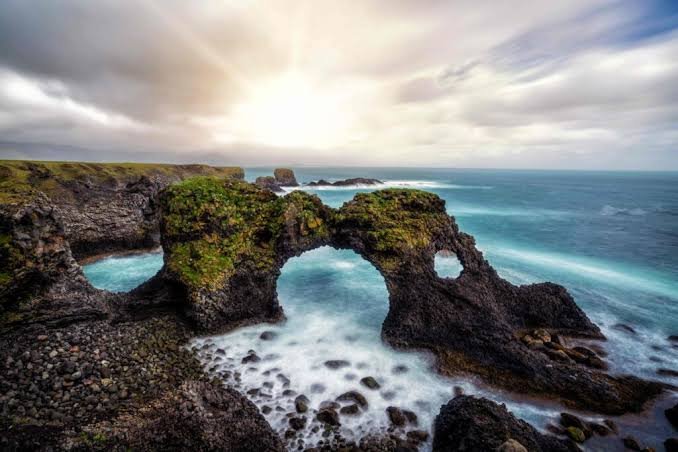
A small fishing village known for its coastal walking path along dramatic basalt cliffs and rock arches. The walk between Arnarstapi and neighboring Hellnar takes about an hour each way and doesn’t require any technical hiking skill.
26. Djúpalónssandur Beach
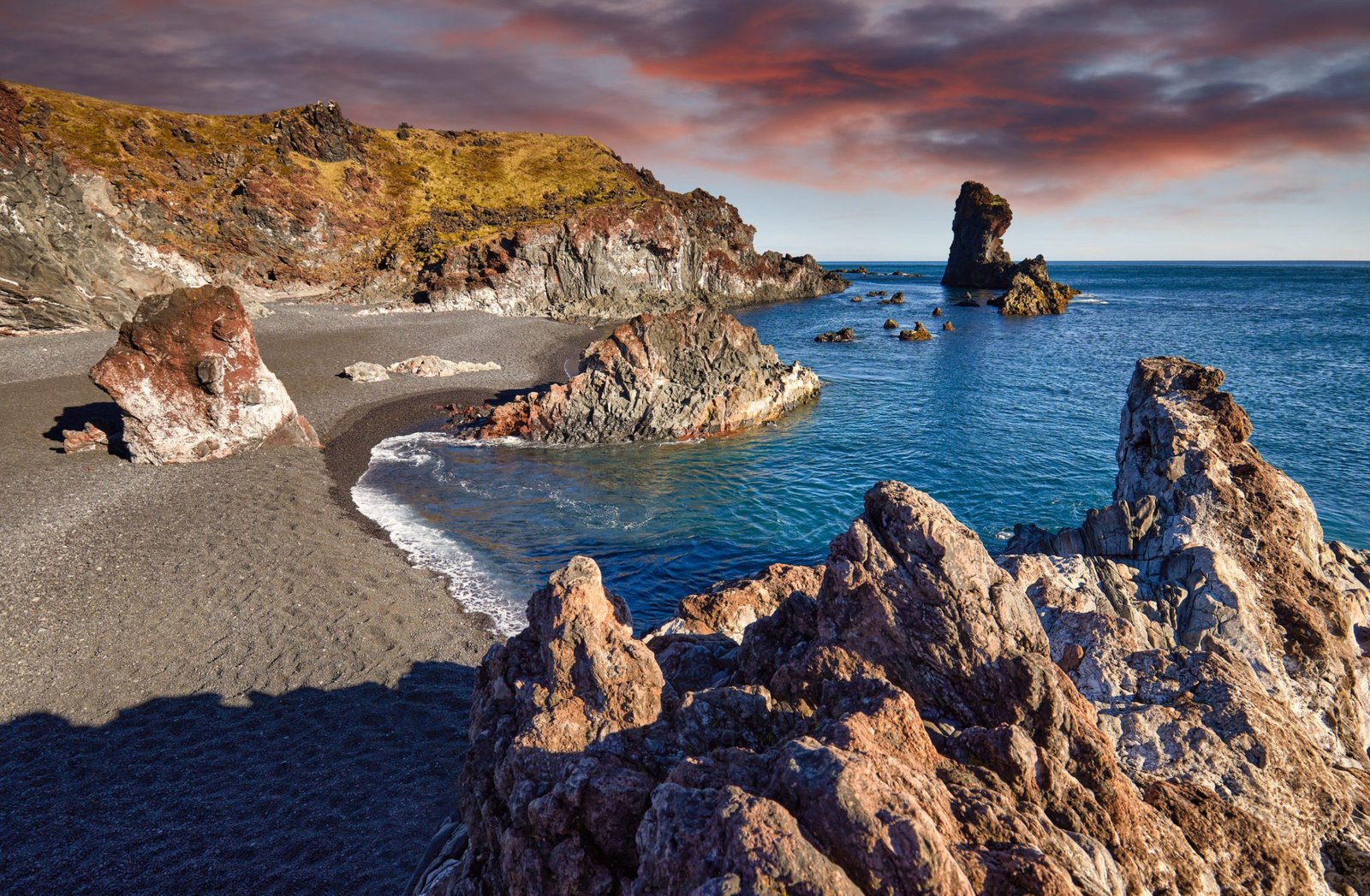
A black pebble beach scattered with rusted shipwreck remains from a 1948 trawler wreck. There are also four lifting stones once used to test fishermen’s strength before they could work on boats — you can try lifting them yourself, though most people can’t budge the heaviest one.
27. Snæfellsjökull Glacier
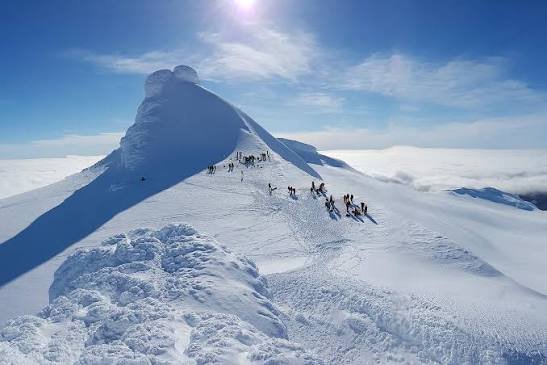
The glacier-capped volcano that inspired Jules Verne’s “Journey to the Center of the Earth,” visible from much of the peninsula on a clear day. Summiting requires a guide and proper gear; most visitors just admire it from a distance, which is honestly enough.
28. Búðakirkja Black Church
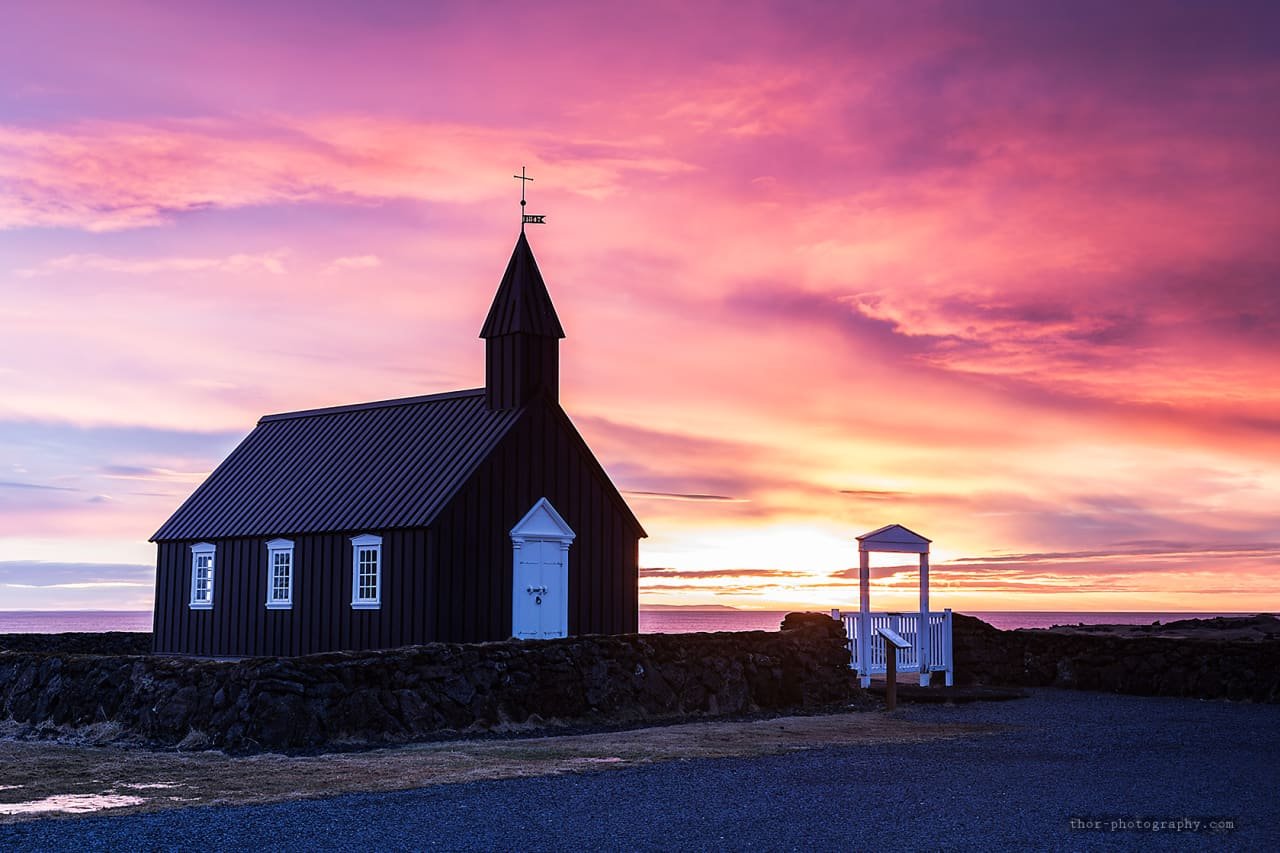
A small black wooden church standing alone against lava fields, with almost nothing else around it. It’s a two-minute stop but photographs so well against the surrounding terrain that it’s worth the small detour off the main road.
Westfjords
The Westfjords see a fraction of the visitors the rest of Iceland gets, mostly because the roads are slower and it’s a genuine detour from the Ring Road. If you have the extra days, it’s the closest thing to untouched Iceland left.
29. Dynjandi Waterfall
A series of cascading waterfalls widening as they fall, often described as the Westfjords’ answer to Gullfoss but without any of the crowds. The walk up alongside all the tiers takes about 30 minutes and each level offers a different framing.
30. Rauðasandur Beach
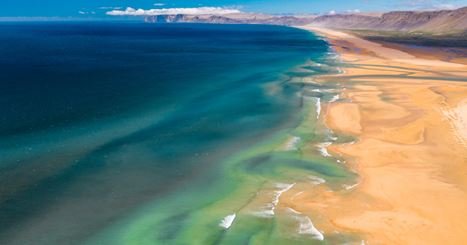
A red-gold sand beach that looks completely different from anywhere else in Iceland — most beaches here are black. The access road is a narrow, winding gravel descent, so take it slow, especially in a larger rental car.
31. Látrabjarg Bird Cliffs
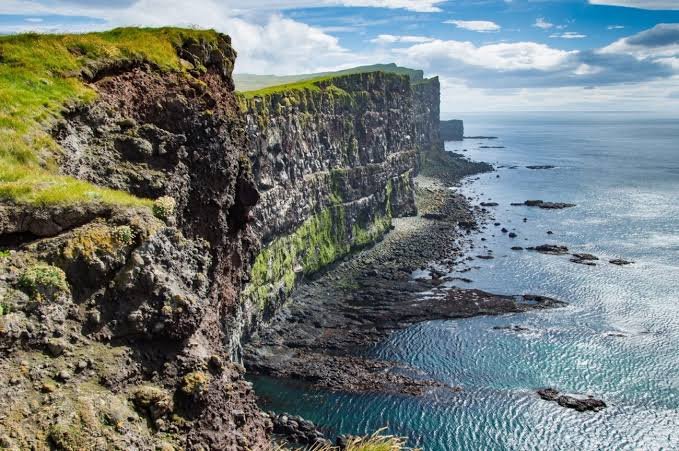
Europe’s largest bird cliff and one of the most reliable places to see puffins up close between May and August. Stay well back from the cliff edges — there’s no barrier, the ground can be unstable, and the drop is significant.
North Iceland
North Iceland gets less tourist traffic than the south but has an equally strong lineup, plus it’s your best shot at the Northern Lights away from Reykjavík’s light pollution.
32. Akureyri
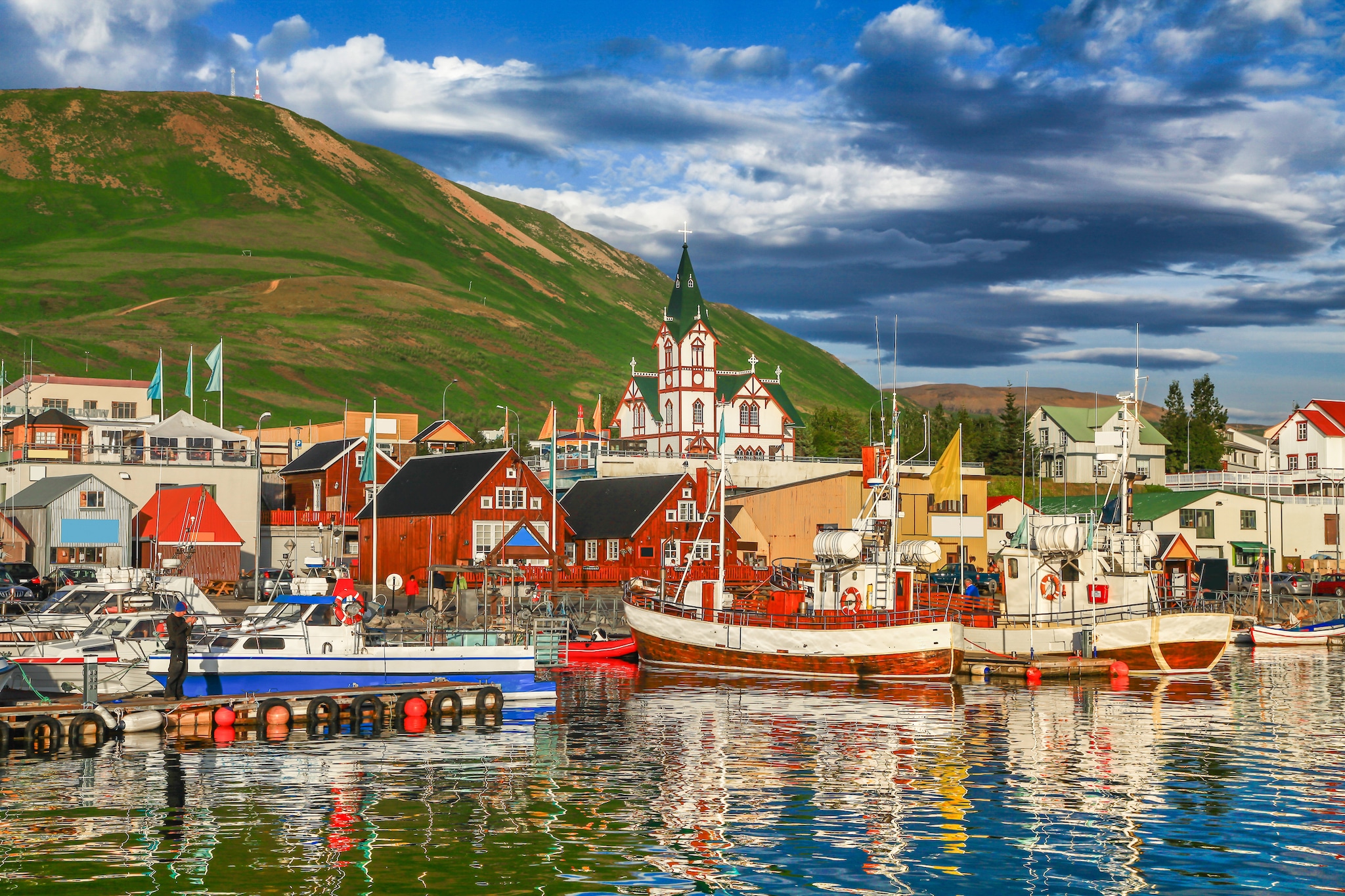
Iceland’s second city, small by any normal standard but a good base for exploring the north. The botanical garden is a nice, low-key stop, and it’s one of the few places outside Reykjavík with a genuinely good restaurant scene.
33. Goðafoss
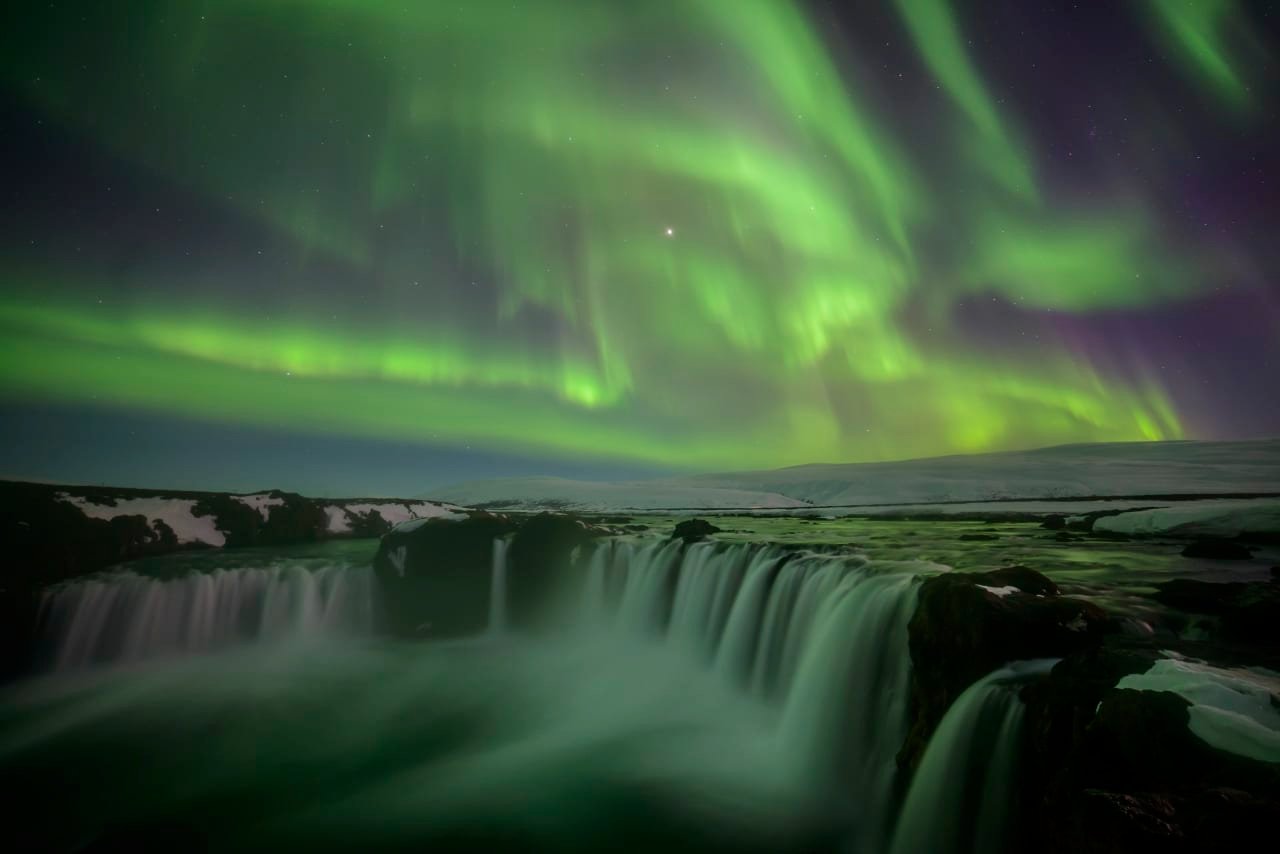
Called the “Waterfall of the Gods,” tied to the story of Iceland’s conversion to Christianity around 1000 AD, when a lawspeaker reportedly threw pagan idols into the falls. It’s a short walk from the parking area on both sides of the river, and the west side generally gives a better angle for photos.
34. Mývatn Area (Craters and Lava Fields)
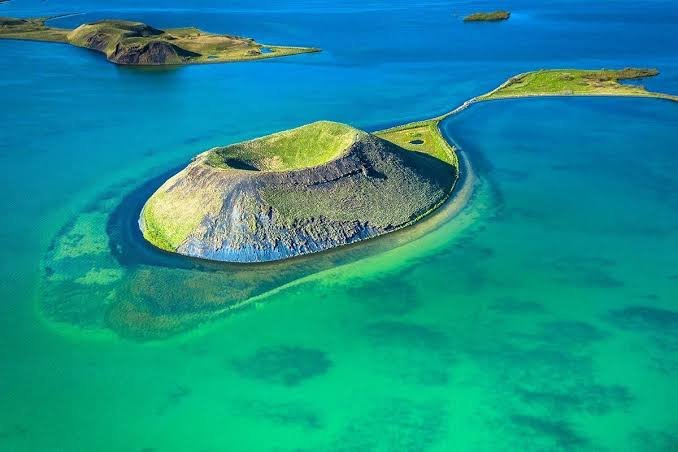
A geothermal lake area with volcanic craters, lava formations, and the Mývatn Nature Baths — a quieter, cheaper alternative to the Blue Lagoon. Give this area a half day minimum; it’s spread out more than it looks on a map.
35. Hverir Geothermal Area
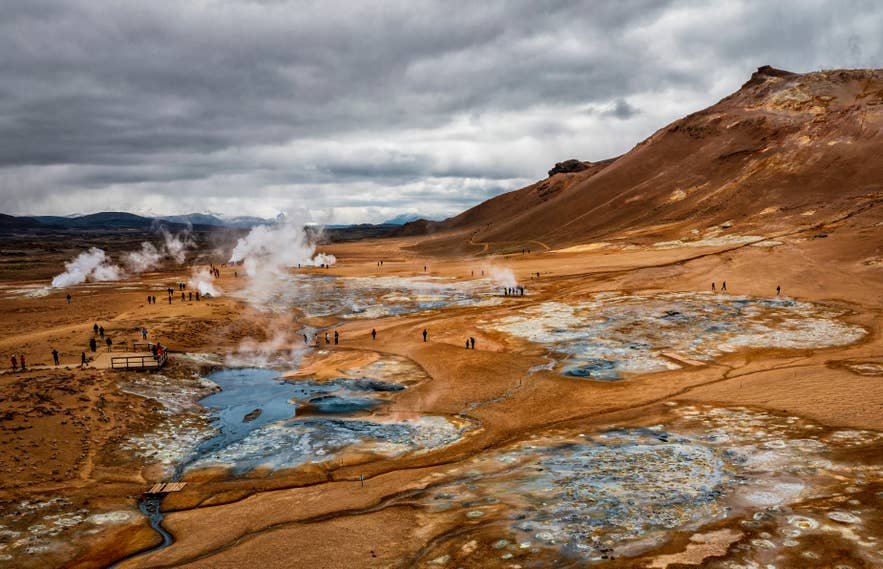
A boiling mud and steam field near Mývatn that smells strongly of sulfur and looks almost Martian. Stay on the marked paths — the ground temperature just beneath the surface can cause serious burns, and this isn’t hypothetical caution, there are documented incidents.
36. Dettifoss
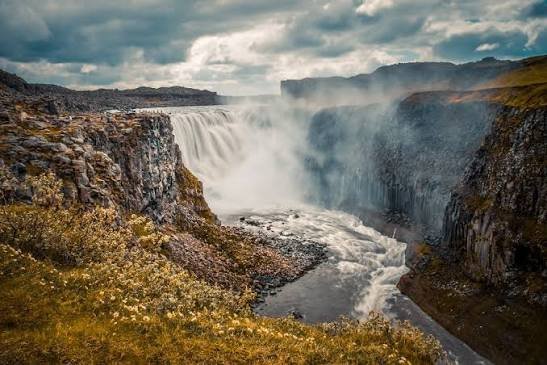
Europe’s most powerful waterfall by volume, and it has a physical presence you feel before you see it — the ground vibrates slightly near the edge. There are two access roads on either side of the canyon with different views; the west side road is paved and easier, the east side gets you closer to the falls.
37. Húsavík Whale Watching
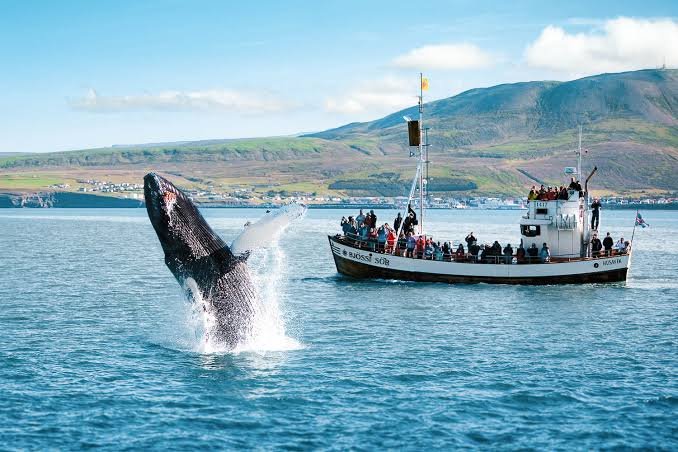
Considered the whale-watching capital of Iceland, with sighting rates high enough that most tour operators offer a free repeat trip if you don’t see anything. Dress far warmer than you think you need to — the boat wind chill is brutal even in summer.
East Iceland and the Highlands
The east coast and central highlands are the least visited parts of Iceland covered here, partly because some highland roads only open a few months a year.
38. Seyðisfjörður
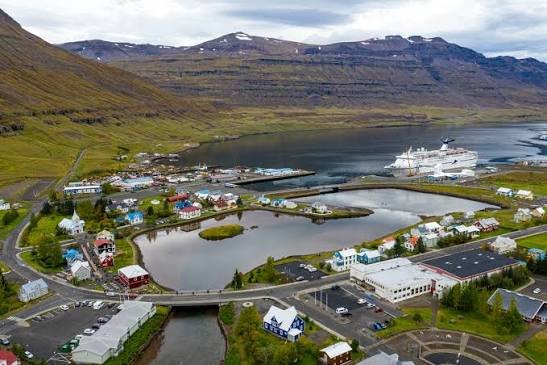
A fjord-side town known for its colorful main street leading down to a blue church, plus a strong arts scene for a town this small. It’s also where the ferry from Denmark and the Faroe Islands docks, so it has a slightly different, more European feel than the rest of Iceland.
39. Stuðlagil Canyon
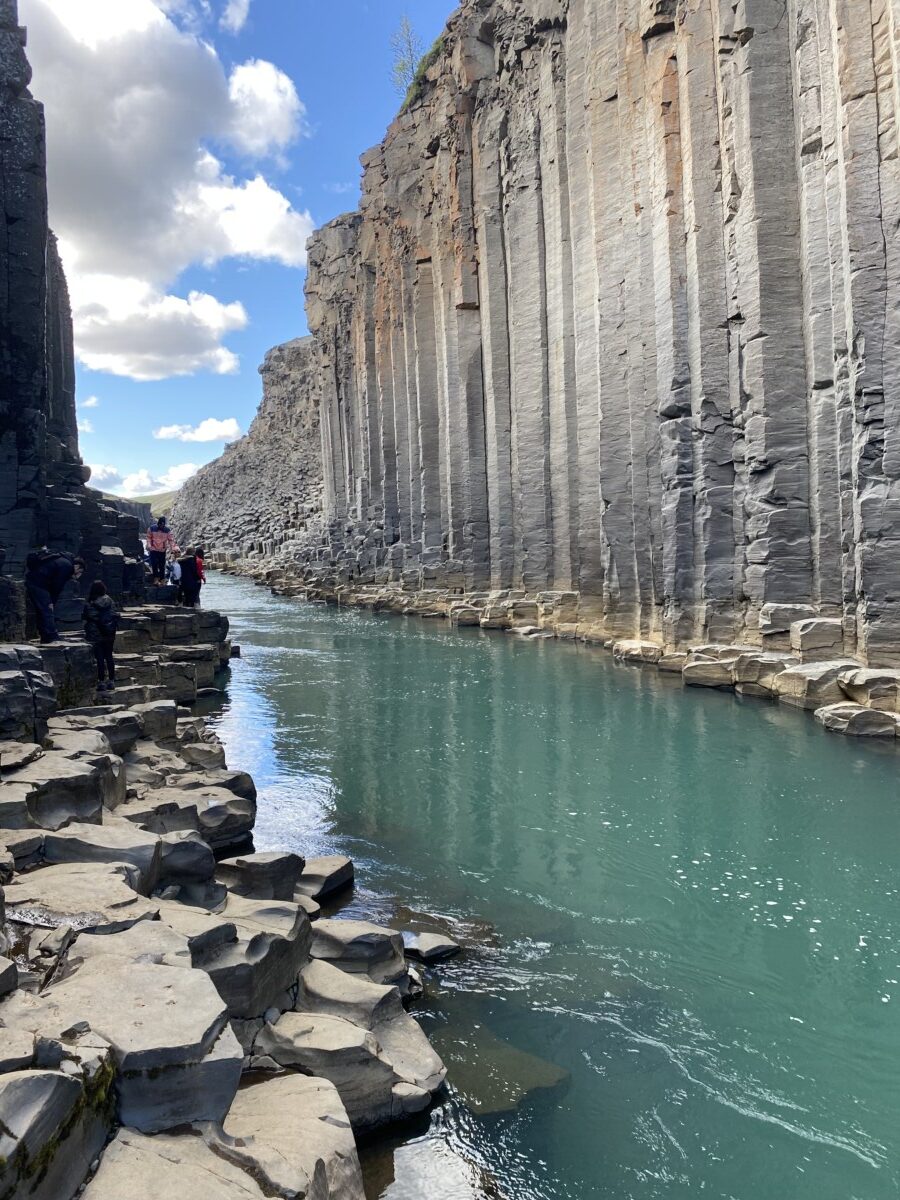
A canyon with striking blue-green water framed by basalt columns on both sides, which only became easily accessible after a dam changed the river’s water level and flow around 2009. There are two viewpoints on opposite sides of the river — the east side gets you down closer to the water, the west side gives the wider classic photo.
40. Landmannalaugar and Þórsmörk (Highlands)
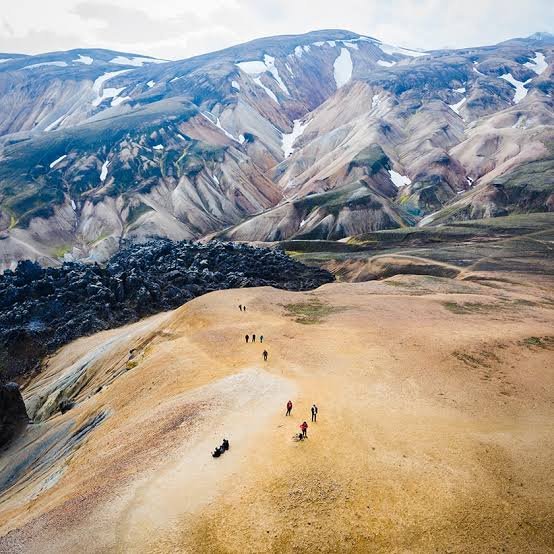
These highland areas — colorful rhyolite mountains at Landmannalaugar, and the sheltered valley of Þórsmörk — are only reachable by F-roads (mountain roads) that require a 4×4 and are typically only open from June to September. If your rental doesn’t explicitly cover F-roads, don’t attempt them; regular insurance won’t cover the damage, and rescue call-outs aren’t free.
Best Time to Visit Iceland
Summer (June–August) gives you nearly 24-hour daylight, the best road access including most highland F-roads, and the mildest weather. It’s also peak crowds and peak prices, especially for accommodation.
Shoulder season (April–May, September–October) is my personal favorite — fewer crowds, lower prices, and a real shot at Northern Lights in September without the deep cold of winter. Some highland roads are closed during these windows.
Winter (November–March) means short daylight (as little as 4–5 hours in December), icy roads, and some attractions closed or harder to reach. In exchange, you get Northern Lights odds at their best and a completely different look to every landscape on this list under snow.
There’s no single “best” month — it depends on whether you’re prioritizing daylight and access (summer) or lights and quiet (winter).
How Much Does a Trip to Iceland Actually Cost
Iceland is genuinely one of the more expensive countries in Europe to travel, and budgeting for it upfront avoids surprises.
Car rental runs roughly $50–120 USD per day depending on season and whether you need a 4×4. This is usually your second-biggest expense after flights.
Food is the line item that catches people off guard. A basic restaurant meal runs $25–35 USD, and a sit-down dinner with a drink can easily hit $50+. Grocery store self-catering — Bónus and Krónan are the budget chains — cuts this dramatically.
Fuel is expensive by US standards, and you’ll be driving a lot, so factor it into your daily budget rather than as an afterthought.
Attractions are mostly free — waterfalls, canyons, and viewpoints don’t charge entry. The paid experiences (Blue Lagoon, Sky Lagoon, glacier walks, boat tours) are where costs add up, so pick two or three rather than trying to do all of them.
Getting Around: Renting a Car vs. Guided Tours
A rental car gives you control over timing, which matters enormously here — the best light and smallest crowds are usually early morning or late evening, times guided tours rarely hit. I’d rent a car for any trip beyond Reykjavík and the immediate Golden Circle.
Guided tours make sense for specific activities requiring certification or local knowledge — glacier walks, ice cave tours, and anything on F-roads if you don’t want to self-drive a 4×4. They also remove the stress of winter driving if you’re not experienced with snow and ice.
A 2WD car is fine for the Ring Road and Golden Circle in summer. You need a 4×4 for F-roads (highlands) and for winter driving generally, since regular insurance often won’t cover damage on roads it wasn’t rated for.
What to Bring
Layers matter more than any single heavy item — weather changes fast enough that you’ll add and remove clothing multiple times in one day, even in summer. A waterproof, windproof outer shell is non-negotiable; a normal raincoat won’t hold up against horizontal coastal wind.
Sturdy waterproof hiking shoes cover almost every stop on this list, from wet waterfall paths to loose gravel and black sand. Bring a headlamp if you’re traveling in winter, when daylight runs out mid-afternoon.
Pack a reusable water bottle — Icelandic tap water is genuinely excellent and refill points are everywhere, so there’s no reason to buy bottled water.
Photography Tips for Iceland
Shoot waterfalls and coastal spots in the hour after sunrise or before sunset — midday light in summer is flat and makes even dramatic scenery look washed out. In winter, the low sun angle means you can get “golden hour” quality light for several hours around midday instead.
A polarizing filter cuts glare off wet rocks and water, which matters at almost every waterfall on this list. Bring a lens cloth — spray from waterfalls and coastal wind will get on your lens constantly, more than you’d expect.
For Northern Lights, you need a tripod, a wide-angle lens, and manual settings — a phone alone generally won’t capture them well unless it has a dedicated night mode, and even then results are inconsistent. Get away from Reykjavík’s light pollution; even 30 minutes outside the city makes a real difference.
Common Mistakes First-Time Visitors Make
Underestimating driving times. Distances look short on a map but Iceland’s roads are often single-lane with frequent stops for photos, sheep, or weather. Budget more time between stops than Google Maps suggests.
Ignoring road and weather alerts. Check road.is and vedur.is (the official road and weather sites) daily — conditions change fast, and some roads close with little notice, especially outside summer.
Getting too close to water or cliff edges. This applies specifically at Reynisfjara, Diamond Beach, and Látrabjarg, where the danger is real rather than a liability-driven warning sign.
Trying to do too much in too little time. Iceland rewards slowing down. A rushed itinerary hitting 15 spots in three days means you’ll remember almost none of them clearly.
Skipping travel insurance. Given how much of the itinerary involves driving on unfamiliar roads and sometimes unpredictable weather, this is one place where skipping insurance to save money is a real gamble.
Lesser-Known Alternatives
If Seljalandsfoss feels too crowded, Gljúfrabúi right next door offers a similar experience with far fewer people. If the Blue Lagoon’s price or crowds put you off, the Secret Lagoon or Mývatn Nature Baths give you the geothermal soak without either drawback.
If Kirkjufell’s parking lot is packed at sunset, Arnarstapi’s coastal cliffs nearby offer comparable drama with a fraction of the visitors. And if you can’t fit the Westfjords into your route, Snæfellsnes gives you a condensed version of that same remote, quiet feeling in a fraction of the driving time.
My Personal Recommendations
If I had to pick five places from this list to keep and cut everything else, I’d keep Jökulsárlón and Diamond Beach, Dynjandi in the Westfjords, Reykjadalur hot spring hike, Fjaðrárgljúfur canyon, and Kirkjufell at sunset. They cover the range of what makes Iceland worth the trip — scale, quiet, effort, and color — without needing a two-week itinerary to reach them.
The single biggest thing I’d change about my first trip is this: I tried to hit almost everything on a five-day South Coast loop and spent more time driving than actually standing in front of anything. Fewer stops, more time at each one, made every trip after that noticeably better.
FAQs
Is Iceland worth visiting if it’s expensive? Yes, most visitors find the landscape justifies the cost, but you can control spending significantly by self-catering meals and limiting paid attractions to two or three standout experiences rather than everything available.
Can you see the Northern Lights in Iceland? Yes, but only roughly September through April, and only on clear nights with low solar activity — there’s no guaranteed month or location, so build in multiple nights if seeing them matters to you.
Is it safe to drive in Iceland yourself? Yes for most of the year on main roads, but winter driving requires real caution and a 4×4 for anything beyond paved routes; check road.is daily and don’t drive through closures regardless of how the weather looks.
Do you need to book attractions in advance? Yes for the Blue Lagoon, Sky Lagoon, and popular guided tours (glacier walks, ice caves) in high season — these regularly sell out weeks ahead. Most waterfalls, canyons, and viewpoints need no booking at all.
How many days do you need for the Ring Road? Seven to ten days minimum for a comfortable pace; five days is possible but rushed, especially if you want time at each stop rather than just drive-by photos.
Is the Golden Circle worth doing if I’m also doing the South Coast? Yes, they’re different enough — the Golden Circle centers on geothermal and geological features (geysers, tectonic rift, waterfalls), while the South Coast is glaciers, black sand, and coastal cliffs.
Are the highlands worth the extra effort to reach? Yes if you have a 4×4 and are visiting between June and September, when F-roads are open; the landscape there is distinctly different from anywhere accessible by regular roads.
What’s the biggest safety risk for tourists in Iceland? Sneaker waves at black sand beaches like Reynisfjara and getting too close to unstable cliff edges — these cause more visitor injuries and deaths than any other single hazard in the country.